





The Hanging Gardens are a reminder of the Baroque period when the palace park was first created, a time when austere Baroque garden architecture influenced garden design with geometric shapes and axes of symmetry.
Our wind garden is a harmonious blend of many design elements
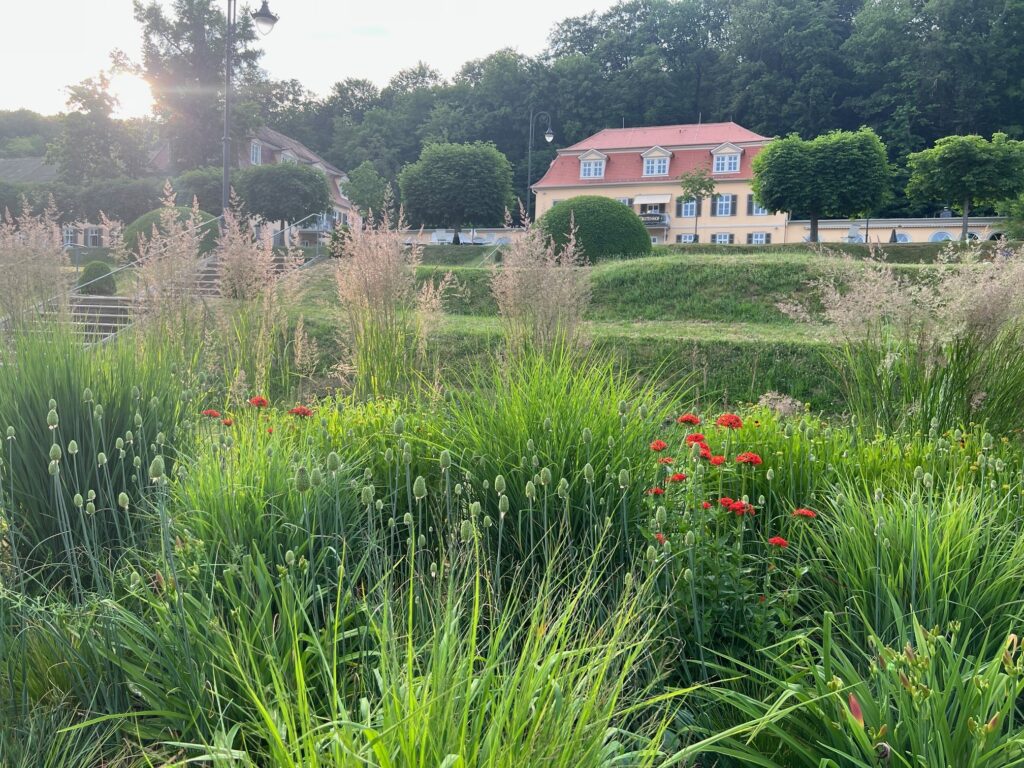
No other plant embodies the theme of wind better than grasses. Because of their delicate transparency, lightness, and wide range of uses in garden design, ornamental grasses deserve a special place in the palace park. Karl Foerster himself once described grasses as the “HARPS” in the garden’s symphony.
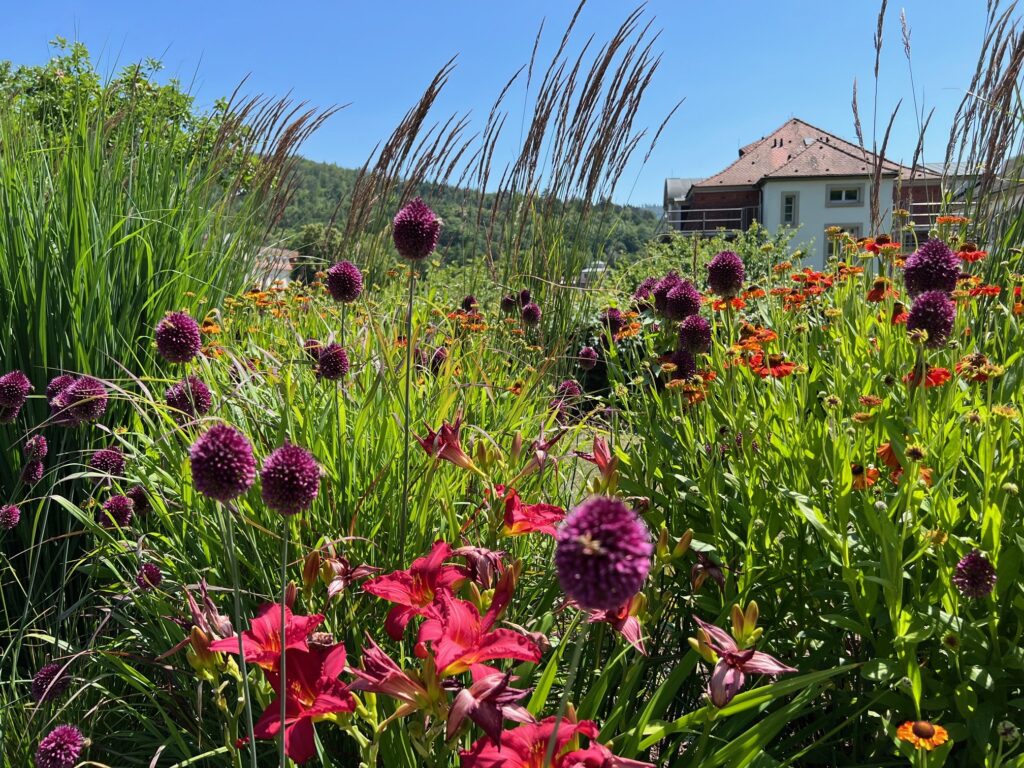
Along with large-leaved or large-flowered perennials, the “PAUKEN” also make an appearance. Red- and orange-flowering perennials, such as daylilies, torch lilies, and sunbrides, dance alongside the grasses and add color to the wind garden. Our ornamental grasses make an impression not so much through their opulent colors, but rather through their delicate textures, multifaceted forms, and dynamic lightness. The perennial composition in the wind garden consists of 13 different grass species and varieties, making up 65% of the total. Care was taken to select grasses that create an exciting combination. The varying heights create spaces and gently frame the wind garden, like a transparent veil.
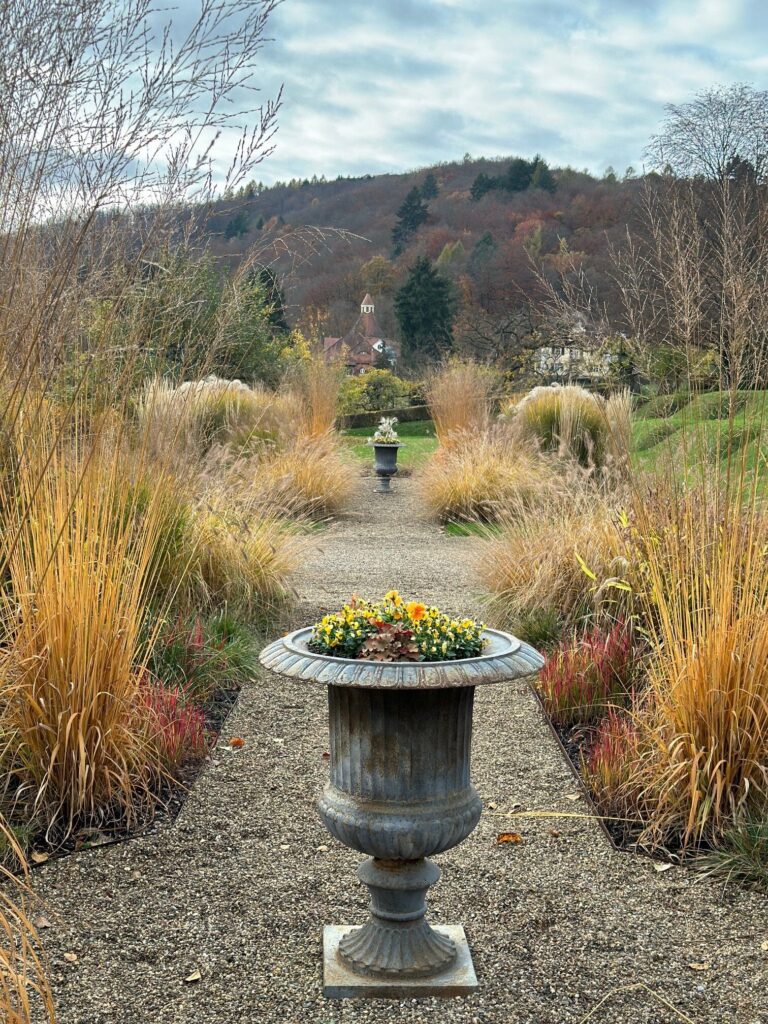
The interplay of leaf textures, foliage color, and fruit displays are additional important design elements that are visible from summer through late fall. Here, the various grass species and varieties seem to be competing to steal the show from one another. Particularly striking are the upright stalks bearing flower panicles of the very early–sprouting garden reedgrass (Calamagrostis x acutiflora) ‘Karl Foerster’. The straight–as–a–candle, sturdy stalks with their golden panicles remain standing throughout the winter and continue to glow even in the winter sun.
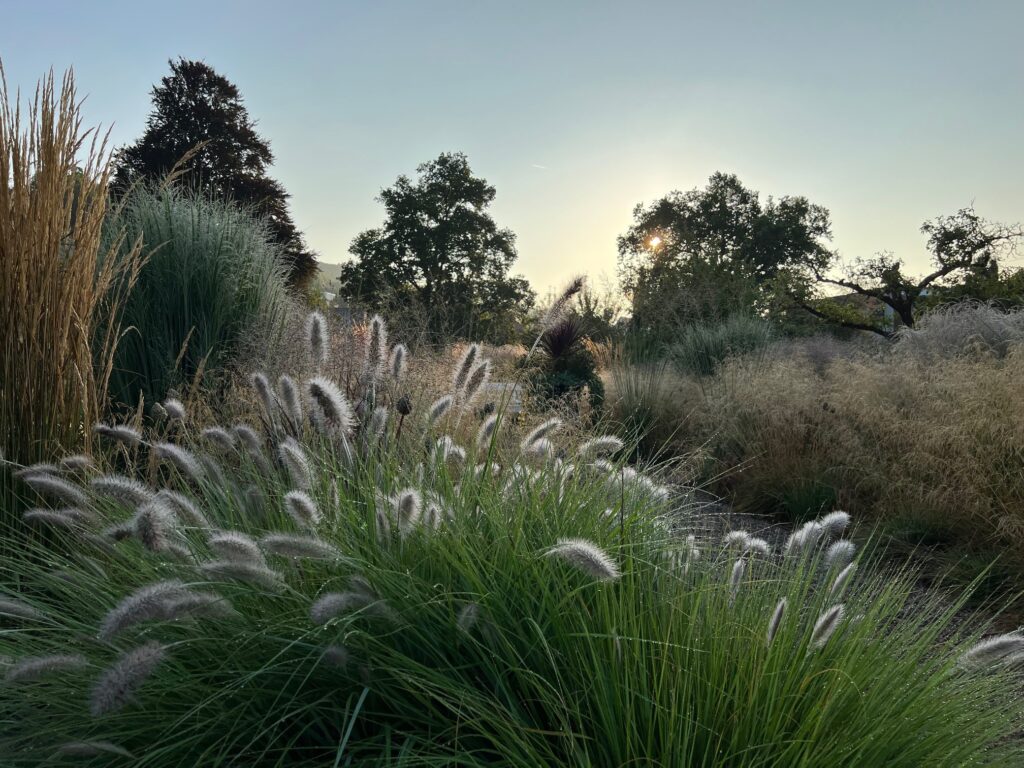
Garden reedgrass can be used to create a rhythmic structure in a flower bed or, as in a wind garden, as a translucent hedge. A touch of burgundy! The bright burgundy leaf tips of the purple switchgrass (Panicum virgatum) ‘Shenandoah’ glow almost all summer long. Toward the end of the season, the leaves take on an intense red autumn color. When backlit by the low-hanging sun, the delicate leaves and seed heads glow with particular intensity.
Purple switchgrass is particularly well-suited as a splash of color in flowering perennial beds. Another very attractive, early- and profusely-flowering grass is the small fountain grass (Pennisetum alopecuroides) ‘Hameln,’ which remains attractive throughout the winter. The ‘Hameln’ variety is a compact and vigorous cultivar that turns golden yellow in the fall and boasts beautiful flower plumes.
It is very well suited for large-scale plantings and dynamic floral displays in your own garden. There are grasses to suit every taste, every design style, and a wide variety of locations. Their vibrant fall colors and enchanting winter silhouettes, in particular, make them a special eye–catcher.
Do not cut back ornamental grasses until after winter; this ensures that whimsical and beautiful garden scenes are created even during the cold winter months. Additionally, this provides a safe haven for many beneficial insects during the winter months.
Pumpkin patch with Baroque architecture
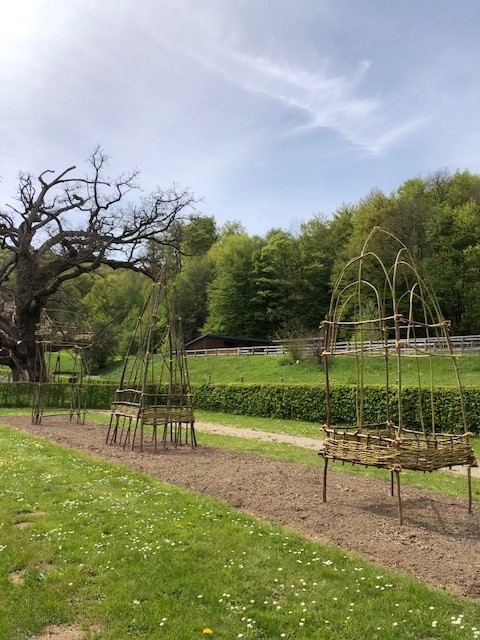
In 2026, the gardeners were able to use the winter months to create various obelisks out of hazelnut and willow branches. The obelisks have different roof shapes, ranging from dome-like structures to pyramid-shaped peaks to gable roofs. One design even incorporates the window shapes of the historic Kursaal building. A variety of supports and cross-braces are intended to allow climbing pumpkins to grow upward later on. The various obelisks are already standing in the “Hanging Gardens,” below the butterfly garden, next to the venerable King Ludwig Oak. 18th–century copper engravings show that, some 250 years ago, beehive–like structures—known as arbors or berceaux—already stood at this location.
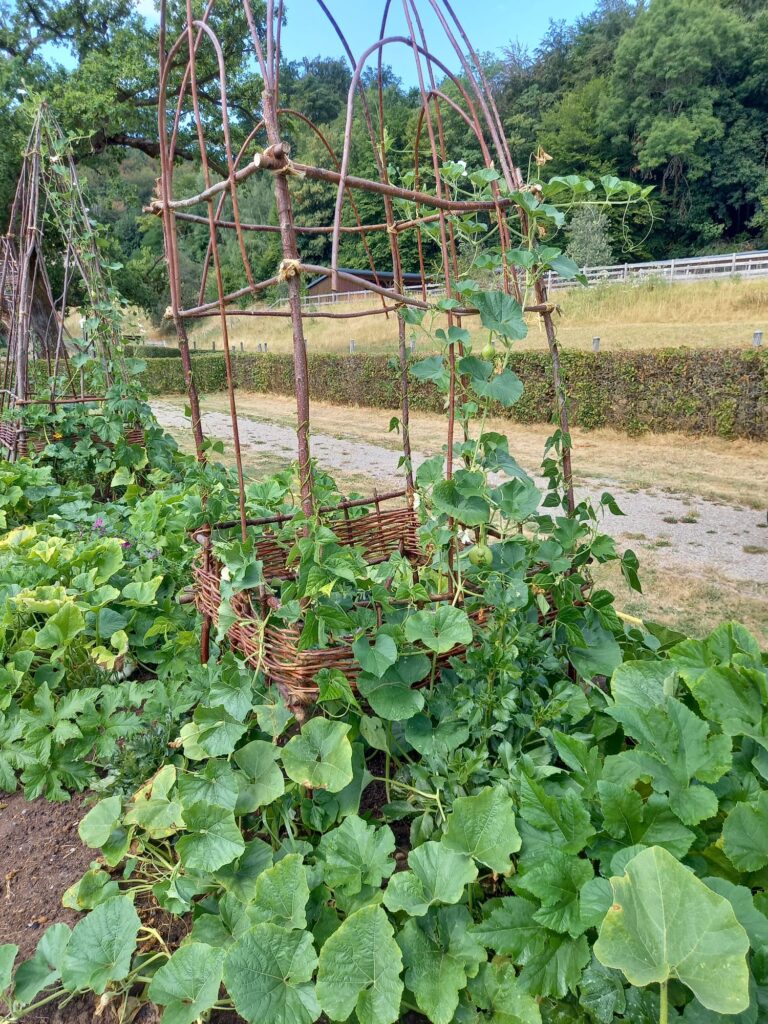
Next comes the sowing of a wide variety of pumpkin varieties at the castle nursery. Here, ornamental pumpkins were selected for their unique shapes and colors.
Unique species and varieties such as the bottle gourds “Duck Marenka” and “Speckled Snake.” Calabash gourds in various colors. Turban squash, as well as bright white and blue-gray varieties such as “Custard White” and “Blue Ballet.” But also better-known and more common types, such as the Halloween squash “St. Martin” or the popular Hokkaido squash “Uchiki Kuri.” In total, over 100 pumpkin plants and 13 different species and varieties are sown and planted. Of course, a successful harvest always depends on the weather. Cold and wet summer months can have just as negative an impact as hot and excessively dry summer months.
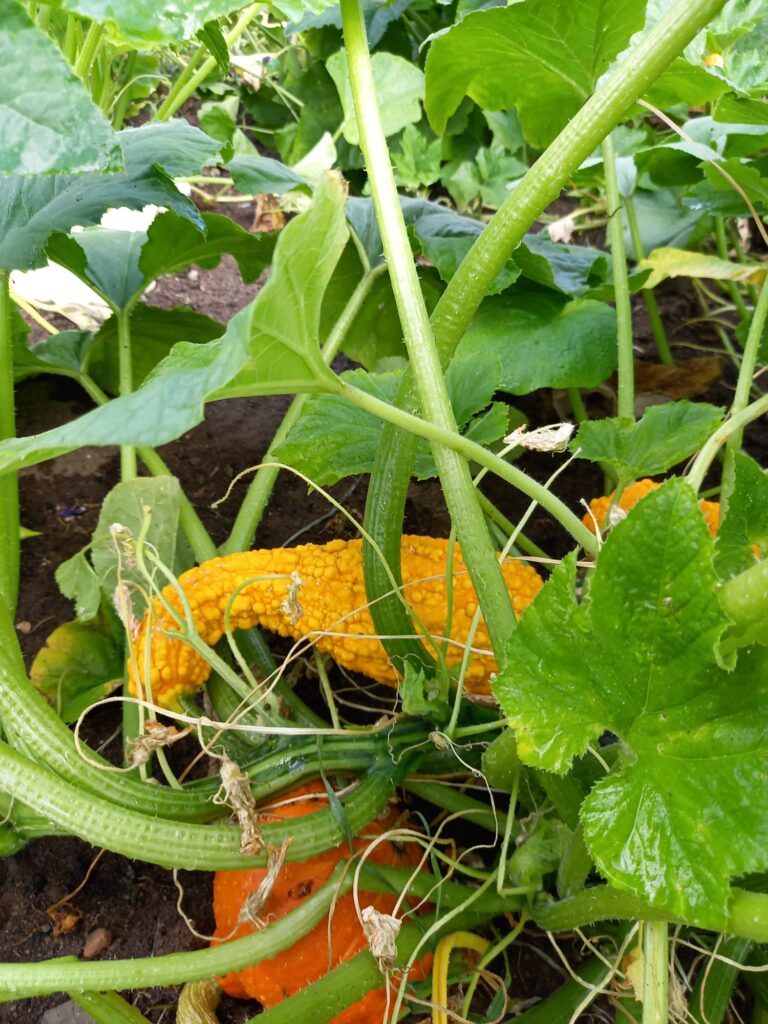
In addition to lush growth, the gardeners are hoping for an attractive and diverse pumpkin harvest, which can later be gathered and displayed in suitable locations throughout the castle park.
The exact locations will be posted here in due course.
Do you have questions and are you planning a visit with us?
We would be happy to provide you with more detailed information. Don't hesitate to contact us.